
Water damage mitigation Shawnee KS
Water Damage Restoration in Shawnee, KS: Water Removal and Drying After a Leak or Backup
Water that has soaked carpet, flooring or drywall does more damage with every hour it stays there. Call the water damage line at (888) 681-3447 and describe what got wet and how it happened. This page covers water removal and drying, the first and most time-sensitive part of recovery.
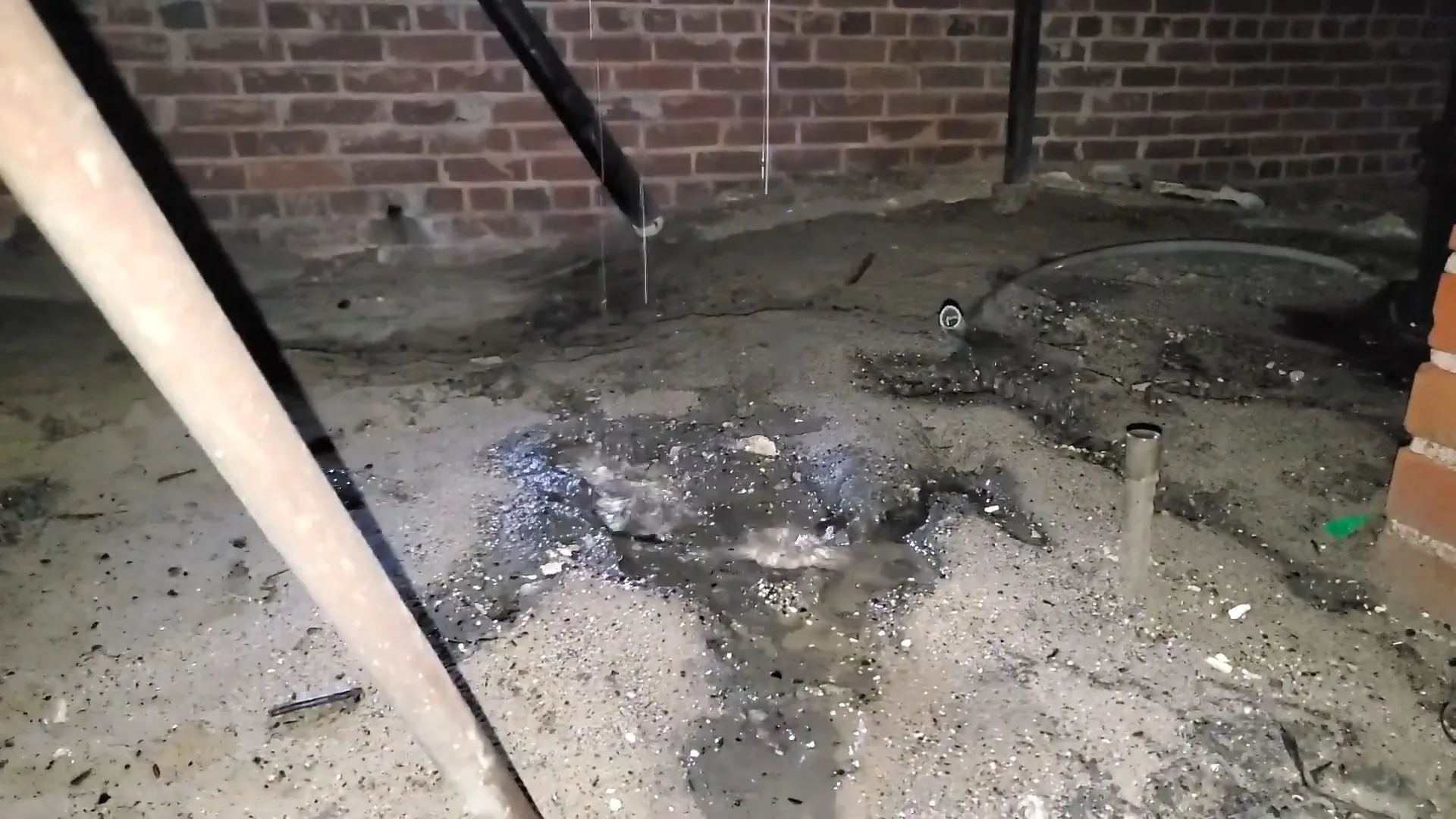
The first hour after water gets into the house
The first hour decides how much of the damage can be reversed. Stop the source if you can, then protect yourself and start removing water. Each step below limits what soaks in.
- Stop the water at its source: close the main or the fixture shutoff, or stop using drains during a backup.
- Switch off power to wet areas if you can reach the panel safely, and stay out of standing water near outlets.
- Move furniture, rugs, electronics and valuables out of the wet area.
- Photograph everything before you touch it.
- Call the water damage line and describe what got wet, for how long and what the source was.
If the source was a plumbing failure, the leak or burst also has to be repaired. The plumbing side is covered under what to do when a pipe fails, and a hidden leak under finding the source of a leak.
Water still spreading or already soaked in? Call (888) 681-3447 now, and tell them what the source was and which rooms are wet.
Water removal: getting the standing water out first
Standing water is removed with pumps and extraction equipment before any drying begins. Mopping and towels do not reach the water that has seeped into subfloors and padding. Removing it fast limits how far moisture spreads into materials.
Extraction also gives the crew a clear picture of what is wet. Moisture meters and thermal cameras show water behind walls and under floors that the eye cannot see. That map decides what can be dried in place and what has to come out.
Drying and dehumidification: why fans alone fall short
Fans move air, and that helps surfaces dry, but wet materials release moisture into the air that has to be removed. Dehumidifiers pull that moisture out so it does not settle back into walls and floors. Air movers and dehumidifiers work together, and the setup is adjusted as the readings fall.
Drying is measured, not guessed. Moisture readings are taken on materials until they reach normal levels, and equipment stays until they do. A room that only feels dry may not be.
Do not run a standard house fan and call it finished. Leaving materials damp invites trouble within days. Ask how many readings will be taken and when the equipment will come out.
Wet hardwood floors: speed decides whether they are saved
Wood absorbs water and swells, which can cup or buckle boards within days. Quick extraction and controlled drying can save floors that look ruined at first glance. Waiting makes the damage permanent.
Some floors dry in place with special drying equipment, and others need boards removed to release trapped moisture. A moisture reading tells which. Do not sand or refinish until the wood is dry, because sealing wet wood locks the problem in.
Ceilings and walls: when wet drywall has to come out
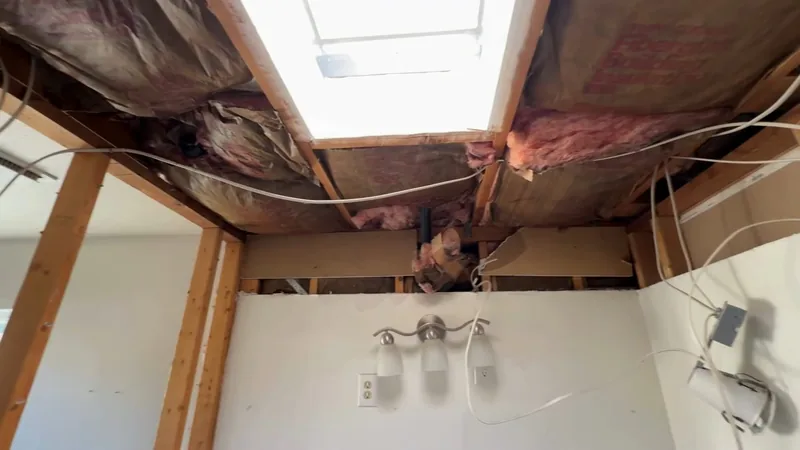
Drywall holds water like a sponge and can sag, stain and weaken. A ceiling that is bulging or dripping may need a small hole to release the water before it fails. Keep people away from a sagging ceiling.
Drywall that stayed wet briefly can often be dried in place, and drywall that was soaked or wet for days usually has to be cut out. The wet insulation behind it is removed as well. Cutting a measured section is a smaller job than replacing the whole wall.
Carpet and padding: dry it or discard it
Carpet can often be saved when the water was clean and was removed quickly, but the padding underneath usually cannot. Padding soaks up water and dries slowly, so it is commonly removed and replaced. Carpet that has been wet a long time or soaked with contaminated water is usually discarded.
Ask what the crew plans to save and what it plans to remove, and why. Photos taken before removal support your records. A clear plan prevents surprises on the final scope.
Water from a sewer backup is a different category
Water from a sewer backup is contaminated, and the rules for handling it are stricter. Porous materials that sewage has soaked, such as carpet, padding and drywall, are typically removed instead of dried. Avoid contact with the water, and keep children and pets out.
The backup itself must be stopped at its source, which may be a clog inside the house or a problem in the lateral. The sewer lateral guide explains the plumbing side, including who owns which pipe in Johnson County. The cleanup here is limited to removal and drying.
Storm water and thaw water in the house
Water that enters through a roof, a window or a foundation during a storm gets the same treatment: stop the entry, extract, dry. Water from a thaw usually comes from pipes that froze and split, so look for the break after the water is removed. Stop the source before cleanup, or the water returns.
Frozen pipes that burst are covered in detail on the burst pipe page, including how to keep the next freeze from doing the same. Roof and window repairs belong to a roofer or a general contractor, not a plumber. Water that comes through a foundation wall after rain is covered on the basement waterproofing page.
Mold and the clock: why speed matters
Mold can begin to grow on damp materials within a couple of days, which is why drying quickly matters so much. A house dried promptly is far less likely to develop it. Musty smells, visible spots or a damp feeling after drying are warning signs to take seriously.
Mold remediation is a separate specialty and is not covered here, and this page is limited to water removal and drying. If you already see mold, say so when you call, and ask whom the crew recommends. Do not disturb it, because that can spread spores.
Documenting the damage for your insurer
Photograph the water, the damaged materials and the source before anything moves. Keep damaged items until your insurer says they can be discarded, and keep every receipt. Call the insurer early, because they will tell you what documentation they need.
Ask the crew for the moisture readings, the equipment list and the dates, since these show what was done. Written records are the foundation of a claim. The plumber's report on the cause adds to it.
What to do after water gets into the house
What should I do in the first hour after water gets into my house?
Stop the water at its source, switch off power to wet areas if you can do so safely, move belongings out of the wet area and photograph everything before touching it. Then call the water damage line and describe what got wet, for how long and where the water came from. The first hour decides how much of the damage can be reversed.
Call the water damage line about the water in your house
Say what got wet, for how long and what the source was. Drying should start as soon as the water is out.