
Burst & broken pipe repair Shawnee KS
Burst Pipe Repair in Shawnee, KS: Stop the Water Now, Then Fix the Pipe
Water spraying from a wall, a ceiling that bulges and drips or a basement floor that is suddenly wet leaves little time to think. Shut off the water first, then call Shawnee KS Plumbing Experts and a plumber serving Shawnee will take over. The steps below keep the damage small while help is on the way.
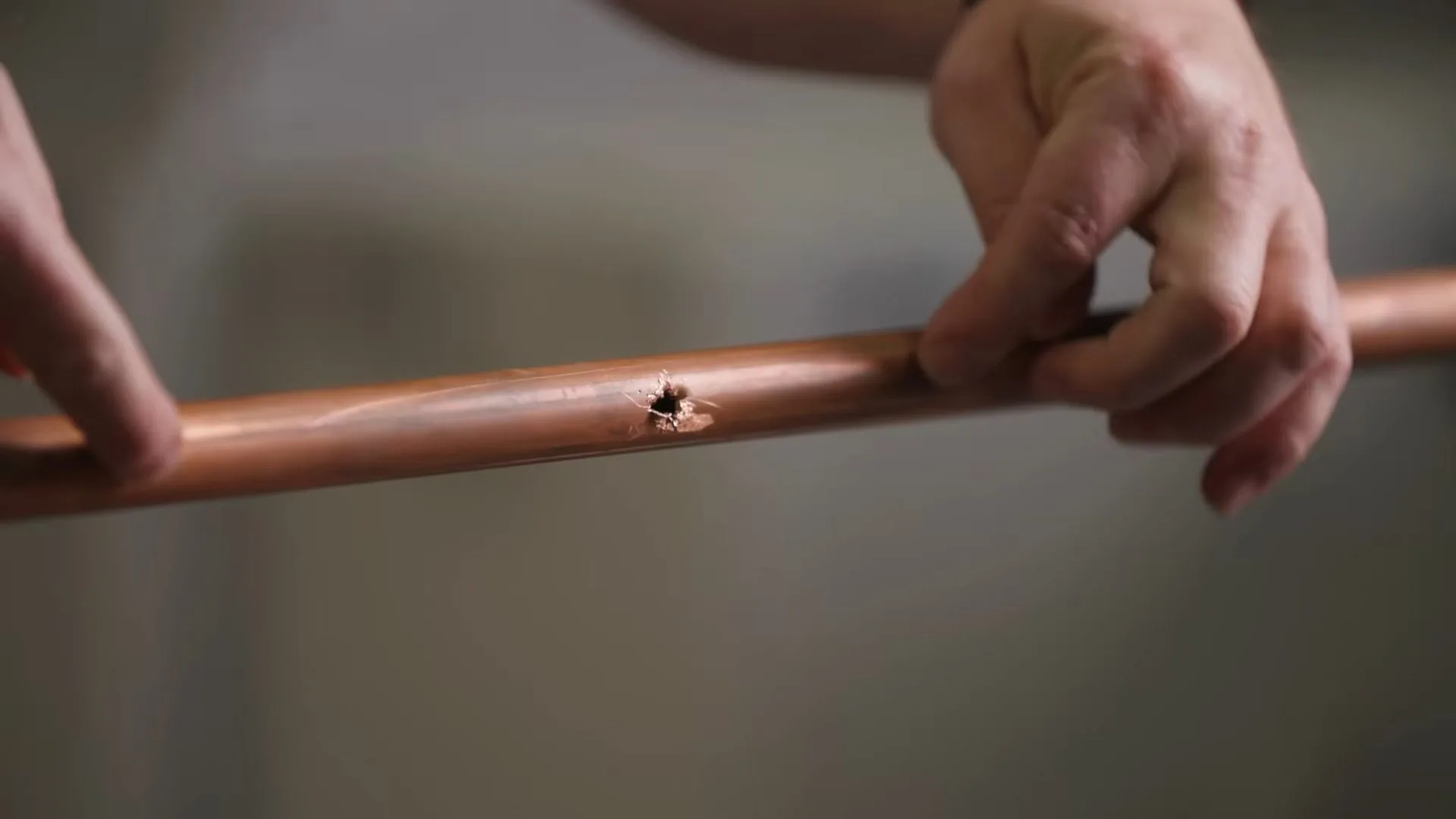
A pipe has burst right now: the first five minutes
Every minute of running water adds to the repair bill, so the first job is stopping it. The order below works for most homes.
- Close the main water shutoff valve, usually where the water line enters the house. Turn it clockwise until it stops.
- Open a faucet at the lowest level and another at the highest to drain what is left in the lines.
- Switch off power to any area where water is near outlets, lights or appliances. Do not wade into standing water to reach a panel.
- Turn off the water heater power or gas control if the lines to the heater are involved, so it does not run dry.
- Move belongings out of the wet area and photograph the damage before cleanup.
- Call and describe where the water is coming from.
If you cannot find the main shutoff, or it will not turn, say so on the call. A plumber can often tell you where it is likely to be based on the layout of your house.
If water is still running, call now and keep going with the steps above while you talk. Give the address and tell the plumber where the water is coming from.
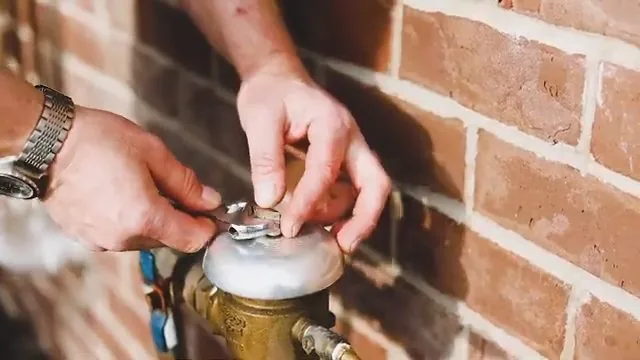
Finding the main shutoff, and what to do when it will not turn
In most homes the main shutoff is in a basement, utility room or crawl space, near where the water line comes in from the street. Some are round handles and some are lever style, and older gate valves can seize from years without use. Learn where yours is before you need it.
A shutoff that will not turn should not be forced with a wrench, because a broken valve makes things worse. In that case, the water utility can close the supply at the meter. Which side of the meter the break is on decides who repairs it, so ask the utility if you are unsure.
Frozen pipes: thawing safely and what happens when they split
A pipe that has frozen solid may already have split, and the leak often only shows when the ice melts. Never use an open flame to thaw a pipe. Warm air from a hair dryer, moving along the pipe toward the frozen section, is safer.
Shut the main valve before thawing if you suspect a split, so you control the water when it starts to flow. Open the faucet on the frozen line first, since flowing water melts ice from the inside. If a pipe splits when it thaws, the steps in the first section apply.
- Insulate hose bibs and exposed pipes in garages, crawl spaces and exterior walls before a freeze.
- Let faucets on exposed lines drip when temperatures drop below freezing.
- Open cabinet doors under sinks on exterior walls so room warmth reaches the pipes.
- Keep the heat on, even in rooms you are not using, during a cold snap.
- If you leave town, shut the main and drain the lines, or have someone check the house.
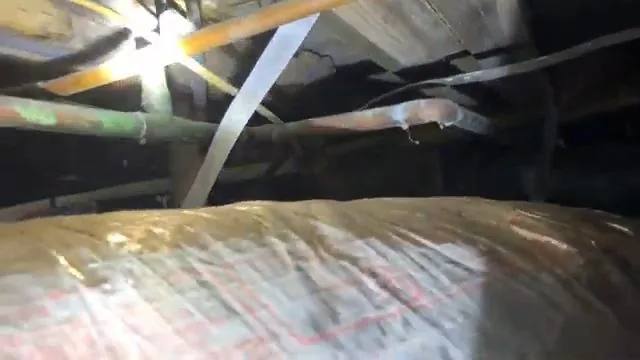
Burst or just leaking? How to tell a failed pipe from a slow leak
A burst pipe is sudden and obvious: running water, a bulging ceiling or a loud pop followed by spraying. A slow leak is quiet, showing up as a stain, a musty smell, a rising water bill or a meter that moves when every fixture is off. The first needs immediate action, and the second needs a search.
If you suspect a slow leak but cannot find it, read the meter with every fixture off, wait an hour and read it again. A change means water is going somewhere. The leak detection page explains how plumbers locate leaks without opening walls at random.
A burst you cannot see: behind the wall or above the ceiling
Water behind drywall shows up as a stain that spreads, paint that bubbles, a ceiling that sags or the sound of running water when nothing is on. Turn off the main as soon as you notice, because hidden water does the most damage before anyone sees it. A sagging ceiling can drop without warning, so keep people away from it.
The plumber finds the failed pipe and opens only as much wall as needed. After the pipe is repaired, wet insulation and drywall may need removal and drying. That cleanup side is covered under water damage restoration.
How a split pipe is repaired, and when it points to repiping
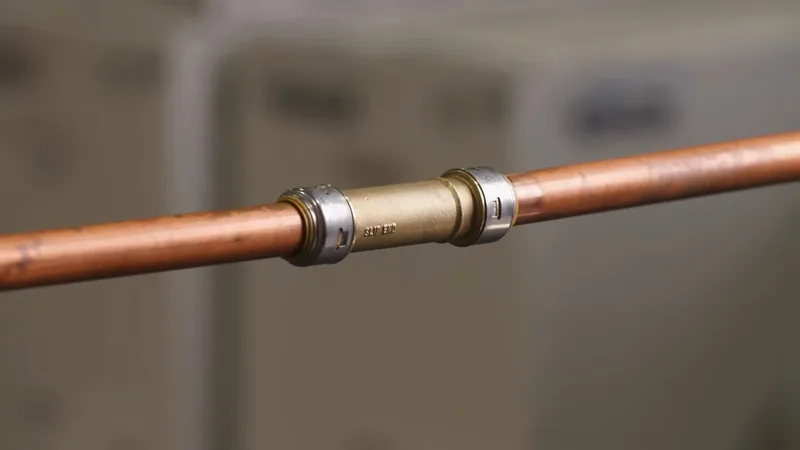
A burst section is cut out and replaced with new pipe and fittings, and the repaired line is pressure tested before the wall is closed. The plumber also looks at the pipe on either side of the failure. Pipe that is corroded, brittle or repeatedly split is a warning about the whole run.
One burst in an otherwise healthy system is a repair. Several failures in a short span can mean the pipes are wearing out, which is the point at which repiping the whole house is worth pricing against another repair. The plumber can tell you which situation you are in after looking at the damaged section.
After the water stops: documentation, drying and the insurance call
Photograph every wet area and damaged item before you clean up. Keep damaged materials until your insurer says they can be discarded, and keep receipts for emergency repairs. These records help when a claim is filed.
Standing water and wet materials should be dried quickly, and fans and dehumidifiers help with minor wetting. Large soaked areas need professional extraction. The water damage page covers removal and drying, with its own phone line.
Burst and frozen pipe questions
How do I keep pipes from freezing in a Shawnee cold snap?
Insulate hose bibs and exposed pipes in garages, crawl spaces and exterior walls, let faucets on exposed lines drip when temperatures drop below freezing and open cabinet doors under sinks on exterior walls. Keep the heat on, even in rooms you are not using. If you suspect a pipe has frozen, shut the main valve before thawing it so you control the water if it has split.
Call Shawnee KS Plumbing Experts about the pipe that has failed
Shut off the main, then call and describe where the water is coming from. A plumber serving your part of Shawnee is routed to the job.