
Slab leak detection & repair Shawnee KS
Slab Leak Repair in Shawnee, KS: Finding and Fixing Leaks Under the Floor
A floor that feels warm in one spot, the hiss of water under the house with every tap closed or a water bill that has doubled can all point to a leak in a pipe under the concrete. Call Shawnee KS Plumbing Experts and a plumber serving Shawnee will find where the line is leaking and lay out the repair options. Not every Shawnee house has a slab, so the first question is where the leaking pipe runs.
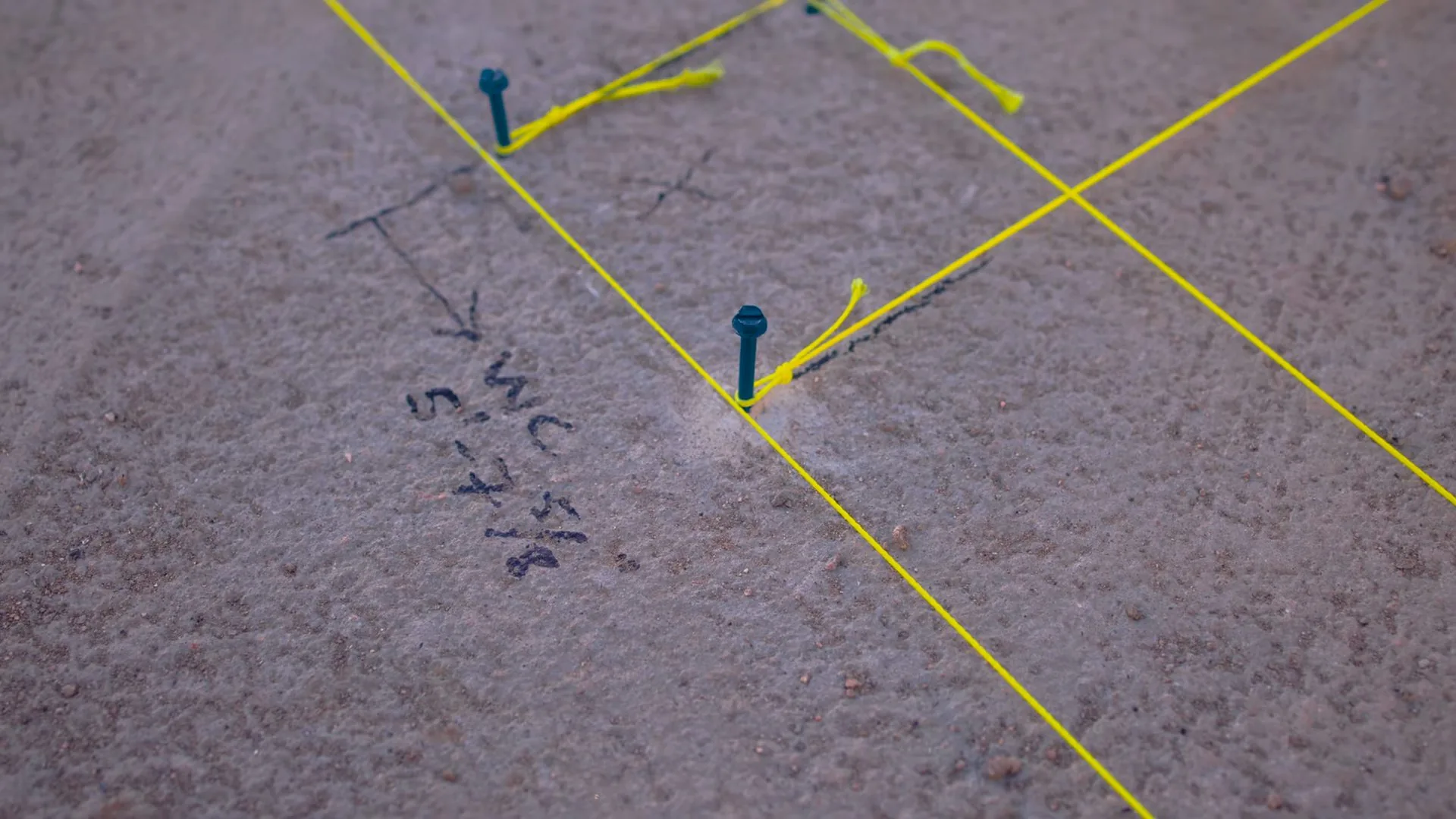
Warm floors, hissing and bill spikes: signs of a leak under the slab
Slab leaks hide, so the signs are indirect. A warm spot on the floor can mean a hot water line is leaking beneath it. A hissing or running sound when every fixture is off, a meter that keeps turning and damp or lifting flooring are others.
- A warm area on the floor with no heat source or radiant system beneath it.
- The sound of water running when everything is off.
- A water meter that keeps moving with every fixture closed.
- Damp carpet, curling flooring or baseboards that swell.
- Cracks that appear or widen along with any of the above.
Shut off the main if water is appearing on the floor, and read the meter as described on the hidden leak search page. A line under a slab cannot be fixed with a wrench, so describe what you found when you call.
Does your house have a slab at all?
Some houses have basements or crawl spaces, and pipes there often run in open framing where a leak is easy to see. A slab leak needs pipes cast in or beneath concrete, which is common in slab-on-grade homes and in additions, garages and some walkout areas. Knowing which parts of your house sit on concrete decides whether the signs above apply.
There is no verified share of Shawnee homes built on slabs, so this page makes no claim about how common slab leaks are here. If you are unsure which parts of your house have slab floors, the plumber can tell by looking at where water enters and where lines run. If your pipes are in open joists, a leak is a different and usually easier job.
How a slab leak is located
The plumber first confirms that the leak is in a pressurized line and not a drain. Isolating sections with a pressure test narrows the search, and sound and thermal tools then pinpoint the spot. The marked location tells you how much concrete must open, if any.
Be wary of anyone who proposes breaking concrete before confirming the leak with equipment. A precise location can be the difference between a small access hole and a large one. Ask to see how the location was determined.
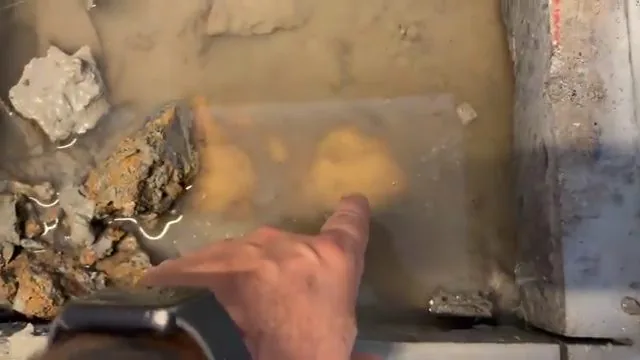
Three ways to fix a slab leak: repair through the slab, reroute or repipe
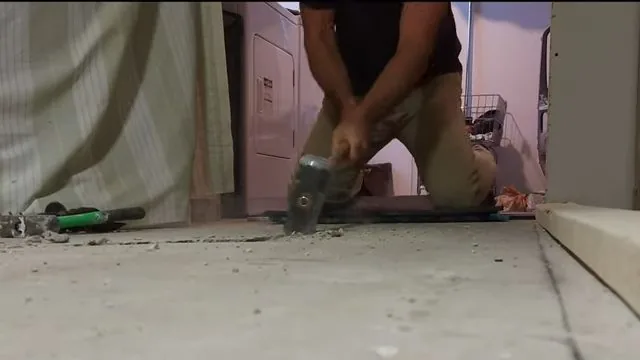
Direct repair opens the concrete over the leak, replaces the damaged section and patches the slab. It is the most direct fix when the leak is a single point in an otherwise sound line. It disturbs the floor above, so ask what finish will be restored.
Rerouting abandons the leaking line and runs a new one through the walls or attic to the same fixtures. This avoids concrete work and can be the better choice when the line has failed in more than one place. Repiping replaces all the supply lines at once, which is covered on the repiping page.
Think you have a leak under the slab? Tell the plumber where you hear it, where the floor is warm and what the meter does. That description helps narrow the search before anyone arrives.
No-dig options for slab lines
Some slab lines can be lined or rerouted without breaking the floor, which is where no-dig thinking meets this page. It is the one place two pages deliberately overlap, because the search for the leak and the search for the repair method lead to the same job. The method itself is explained in trenchless pipe lining.
Whether a no-dig method fits depends on the line, the break and the pipe material. The plumber decides after the leak is located, not before. Do not agree to a method without seeing why it fits.
Clay soil and slab leaks in Johnson County homes
The Johnson County Building Officials Association foundation guideline describes a predominance of clay soils with varying expansive characteristics. Expansive clay moves as it wets and dries, which can stress buried pipes and slabs. That statement describes the county in general and not your lot.
It does not mean your house has a slab problem. It is a reason to take new floor cracks seriously when they appear together with a warm spot or a rising water bill. A plumber can test the lines, and a structural engineer is the right person for questions about the foundation itself.
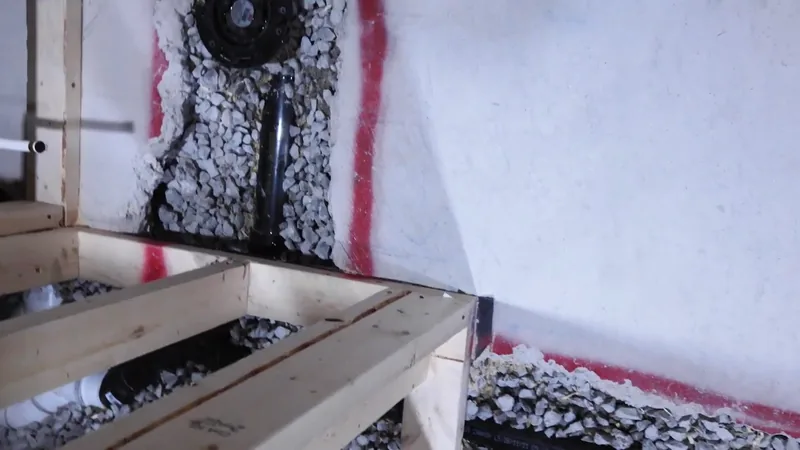
Inspections when work goes under the slab
Work that goes under or inside a slab usually has to be seen before it is covered. The City of Shawnee lists ground rough and rough-in among its required inspection stages, and inspections are scheduled with the city. The city does not accept same-day inspections after 2 pm.
Ask your plumber who is arranging any permit and inspection before concrete is poured back. The city's permits and inspections page explains how to reach Community Development. Skipping an inspection can mean opening the floor again.
Documentation and insurance
Whether a homeowner policy covers a slab leak depends on the policy and on the cause, so call your insurer before work starts if you intend to claim. Ask what the insurer needs to see, and keep photos, the plumber's report and the location findings. Leak location records are often what a claim is built on.
The plumber can describe what was found and what the repair involved in writing. If the leak has soaked flooring or walls, drying is time-sensitive, and the water damage page explains removal and drying.
Slab leak questions
What are signs of a hidden slab leak in Shawnee homes?
Warm spots on the floor, the sound of running water when everything is off, a meter that keeps turning with every fixture closed and damp or lifting flooring are the usual signs. Not every house has a slab, since some have basements or crawl spaces, so the signs apply to the parts of your house that sit on concrete. A plumber can confirm the leak with pressure testing and listening equipment before any concrete is opened.
Call Shawnee KS Plumbing Experts about a leak under the floor
Say where the floor is warm, what you hear and what the meter does. The plumber will start by confirming the leak before anything is opened.