
Water leak detection services Shawnee KS
Water Leak Detection in Shawnee, KS for Hidden Leaks, Stained Ceilings and Climbing Water Bills
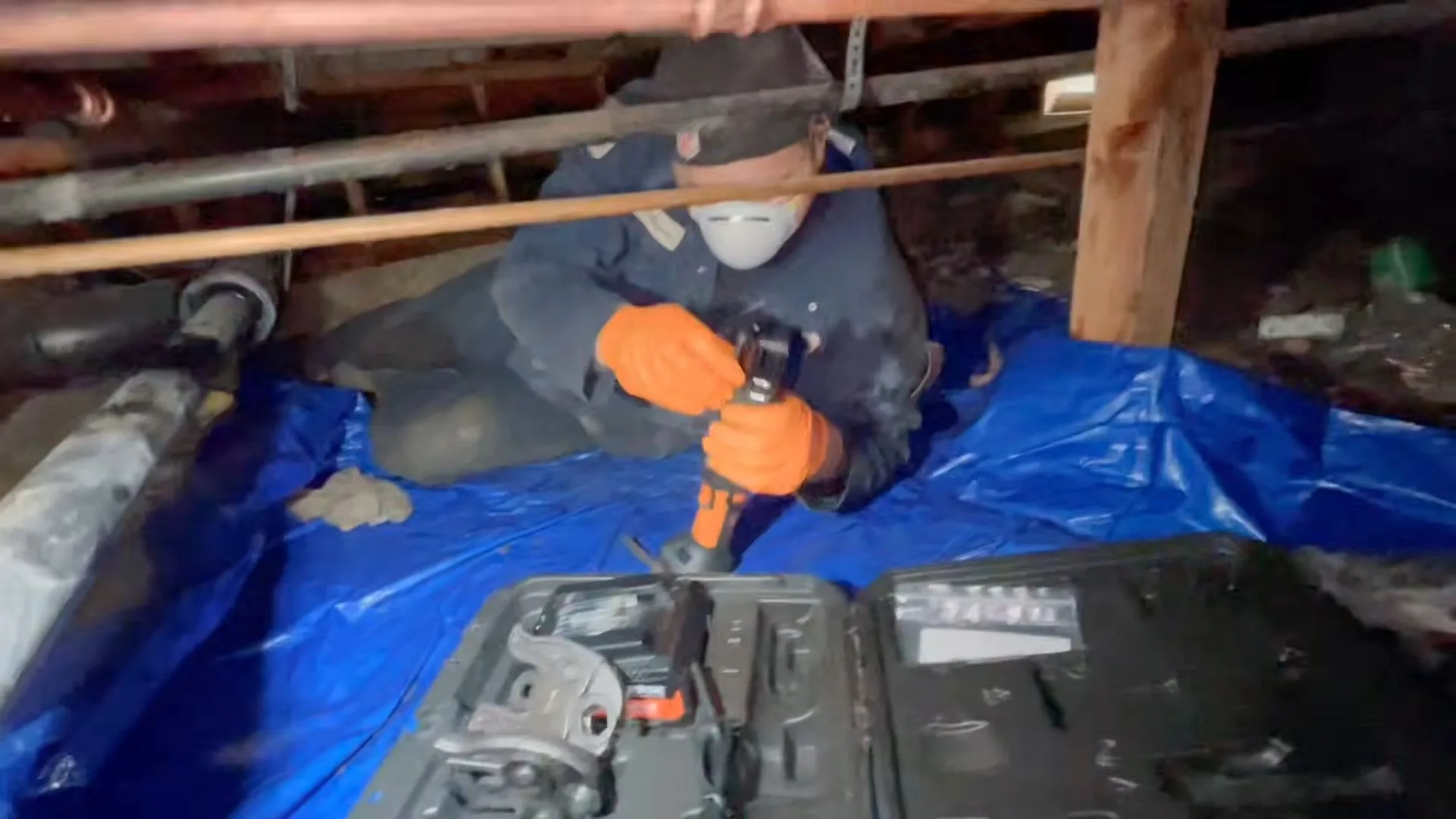
A water bill that jumped with no obvious cause, a ceiling stain that keeps growing or a damp smell with no visible source all point to water going somewhere it should not. Call Shawnee KS Plumbing Experts and a plumber serving Shawnee will locate the leak so that only the part of the wall or floor that needs opening is opened. Finding it early is almost always cheaper than finding it late.
The water bill jumped and nothing is dripping: the meter test
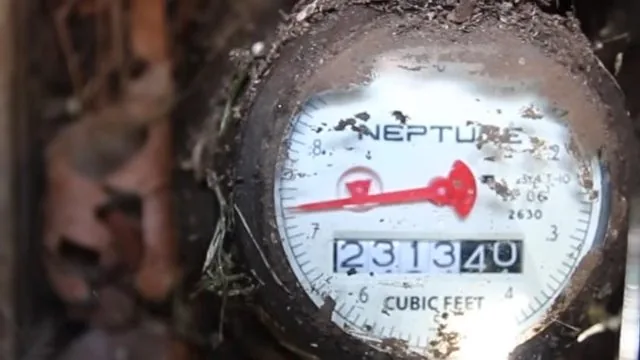
Start with the water meter, because it never lies. Turn off every fixture and appliance in the house, including the ice maker and any sprinklers, then read the meter. Wait an hour without using water and read it again.
If the numbers moved, water is going somewhere. Many meters also have a small leak indicator, often a triangle or dial that spins when any water flows. If it spins with everything off, you have a leak, and the next question is where.
If the meter holds still but the bill is still high, the cause may be a fixture that leaks only when used, such as a toilet that refills in the middle of the night or an irrigation zone with a stuck valve. A silent toilet leak is the most common culprit, and the dye test in fixing a running toilet takes fifteen minutes.
Signs of a hidden leak you can check yourself
- A musty smell in a closet, cabinet or basement with no visible wet spot.
- Paint or wallpaper that bubbles, peels or discolors.
- Floors that feel warm, soft or slightly raised in one area.
- The sound of running water when no fixture is on.
- Water pressure that has dropped for no reason you can find.
- Unusually green or soggy patches in the yard along the path of a water line.
One sign can have an ordinary cause. Two or three together are worth a call. Early attention keeps damage small, and a wet wall that sits for weeks invites far bigger repairs.
Ceiling stains, wall bubbles and the sound of running water
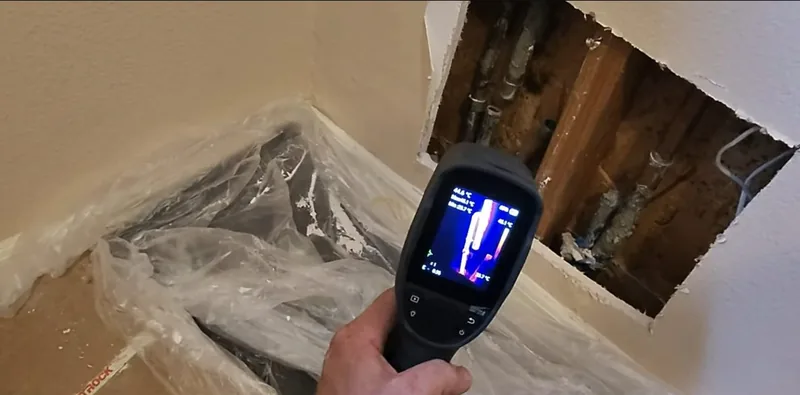
A stain on a ceiling shows where water arrived, not where it started. Water travels along framing and pipes before it drips, so the source can be several feet from the stain. A plumber works back from the visible damage to the pipe, and a moisture meter and thermal camera help map the wet area.
If the ceiling sags or the drywall is soaking, keep people away from it and turn off the main until the plumber arrives. A sudden failure is a burst pipe situation, while a slow seep needs the search described below. Wet materials afterward are a drying job.
Stain growing, bill climbing or a smell you cannot trace? Describe what you see and when it started. The plumber can tell you on the phone which tests to run before the visit.
How plumbers find a leak without opening every wall
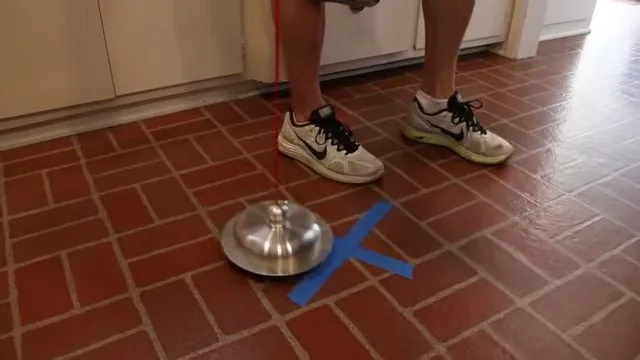
Modern leak location combines several tools, and which one works depends on the pipe and where it runs. Acoustic equipment listens for the sound of escaping water and narrows it down along a line. Electronic tracers and pressure tests show whether a line holds, and thermal cameras show temperature differences from moving or hidden water.
No single tool finds every leak, and a good plumber will say so. A pressure test rules sections of the plumbing in or out. Thermal imaging works best where water is warm or cold relative to its surroundings, and sound-based tools work best on pressurized lines.
The aim is to open the smallest possible access. A leak found within a foot is a patch in the drywall, and a leak found within a room is a demolition. Ask the plumber which method they plan to use and why.
Copper pipe and pinhole leaks
A pinhole leak is a tiny hole worn through the wall of a copper pipe from the inside. It sprays a fine mist, often behind a wall, and can run for months before a stain shows. Spots of green corrosion on the outside of a pipe are a warning.
A single pinhole can be repaired with a section of new pipe. Several pinholes in a short span suggest the pipe is wearing out along its length, which is when the conversation moves to replacing all the supply lines. The plumber can tell you which situation you have after inspecting the damaged section.
Yard and service line leaks: finding which side of the meter
A soggy patch of lawn, a sunken spot or water pooling near the meter may mean the line from the meter to the house is leaking. A high water bill with no leak inside the house points the same way. The meter test above helps tell indoor leaks from outdoor ones.
Which side of the meter the leak is on decides who repairs it, so confirm that with your water utility before work starts. Your plumber can locate the leak, and the utility can tell you where its responsibility ends. Any digging begins with a Kansas 811 locate request at least two full working days ahead.
Basement dampness: plumbing leak or groundwater?
Not every wet basement is a plumbing problem. A leak from a supply line, drain or water heater shows up regardless of the weather, while dampness that appears only after heavy rain points to groundwater or drainage outside. The timing is the quickest clue.
A plumber can rule plumbing in or out by pressure testing the lines, checking the water heater and drain connections and watching the meter. If plumbing is not the cause, the plumber will say so. Slow drains in the same area are worth checking under drain clearing.
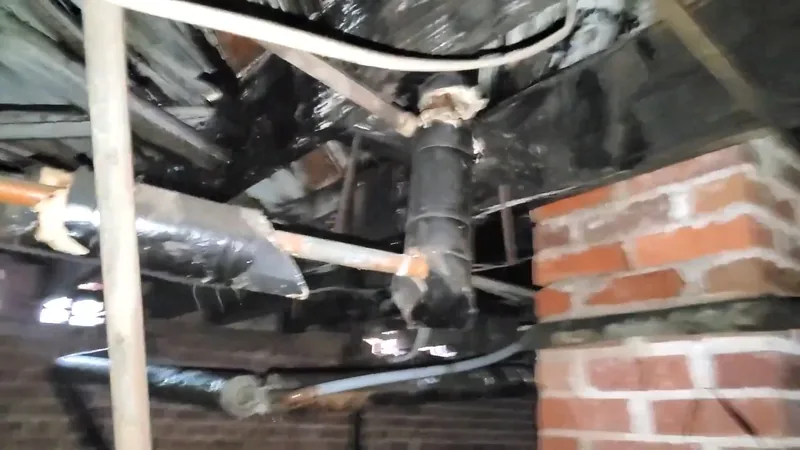
Roof, gutter and gas leaks: when it is not a water line
A ceiling stain that appears only when it rains usually comes from the roof or a gutter, not from a pipe. A plumber can rule out the plumbing by testing the lines, and a roofer then takes over. Ruling out plumbing is useful work, because it points the repair in the right direction.
A gas leak is a different emergency altogether. If you smell gas, leave the building and call 911 and your gas utility from outside. Gas piping is covered on the gas leak and piping repair page.
What happens once the leak is found
The plumber explains where the leak is, what caused it and what the repair involves, including how much of the wall or floor must open. A leak in a hidden supply line becomes a pipe repair. A leak under a floor slab becomes a slab leak decision, and a repeated pattern of leaks raises the repiping question.
Wet materials left behind should be dried quickly. Photograph the damage and the leak location for your records. If walls or ceilings were soaked, the water removal and drying page explains the next steps.
Leak detection questions Shawnee homeowners ask
My water bill jumped but I see no leak. What do I check?
Turn off every fixture and appliance, read the water meter, wait an hour without using water and read it again. If the numbers moved, water is going somewhere, and a spinning leak indicator on the meter tells the same story. If the meter holds still, check toilets for silent leaks and look for irrigation zones that stay on.
How do I find a leak inside a wall or ceiling?
A stain shows where water arrived, not where it started, because water travels along framing and pipes before it drips. Plumbers work back from the damage using a moisture meter, a thermal camera, sound-based equipment and pressure tests on the lines. The goal is to open only the small section where the leak actually is.
Call about a stain, high water bill or smell in Shawnee
Describe the stain, the bill or the smell and when you first noticed it. A plumber serving your part of Shawnee will start by narrowing down where the water is going.