
Hydro jetting services Shawnee KS
Hydro Jetting in Shawnee, KS for Grease, Scale and Root-Choked Drain Lines
If your drains clear for a few weeks and then slow down again, the clog was never the whole problem. Call Shawnee KS Plumbing Experts and a plumber serving Shawnee will look at the line and tell you whether hydro jetting is the right tool. It washes the pipe wall clean instead of poking a hole through the blockage.
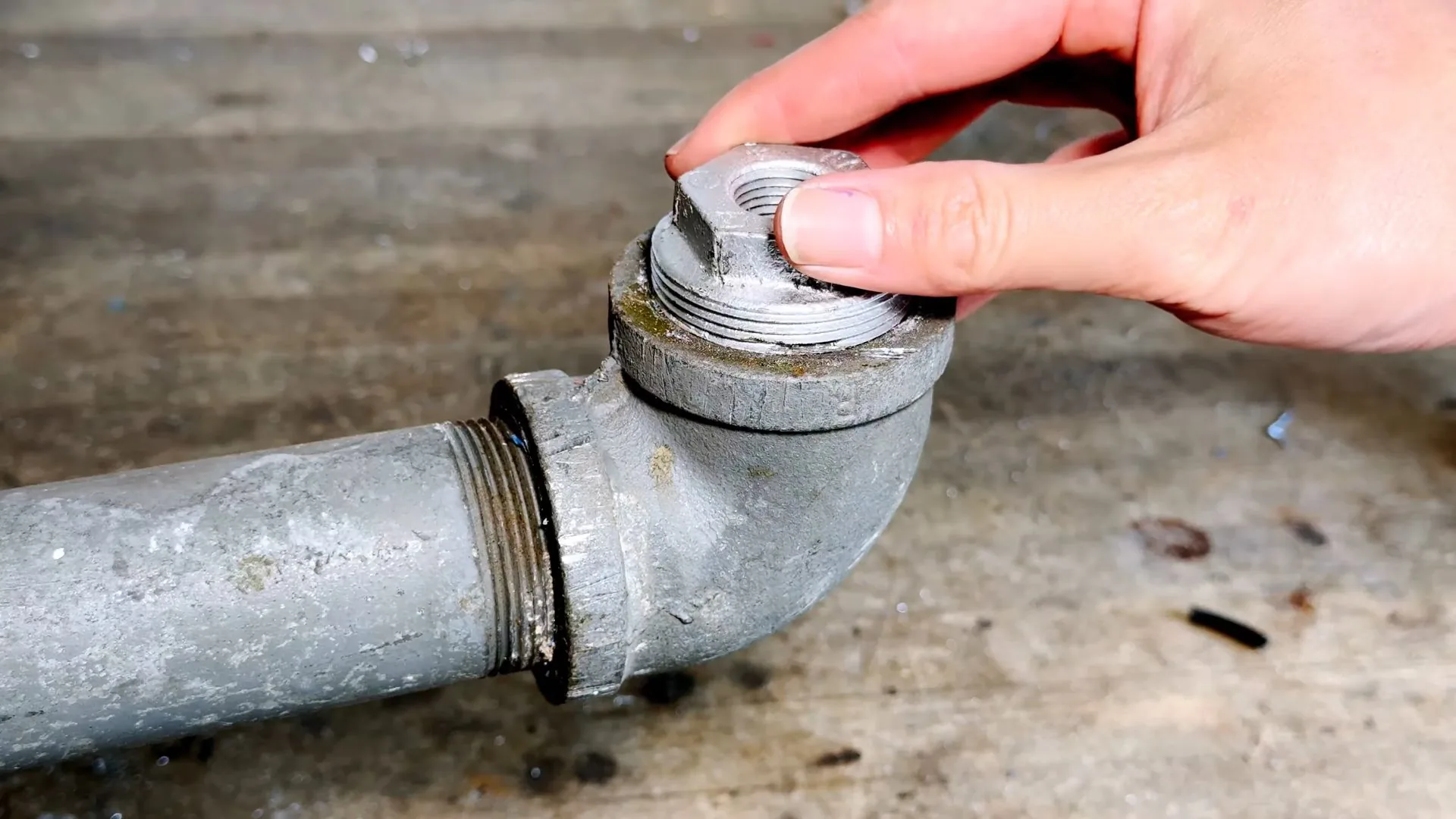
What hydro jetting does that a drain cable cannot
A drain cable punches through a clog and leaves a hole the size of the cable. Hydro jetting sends high-pressure water through a hose with a nozzle that sprays backward and forward, scouring the whole inside of the pipe. The material is washed down the line instead of pushed aside.
That difference matters when a pipe is narrowed by a coat of grease or scale rather than blocked by one object. A cable can restore flow for a while, but the coating is still there. Jetting removes it, which is why it holds longer on the right kind of problem.
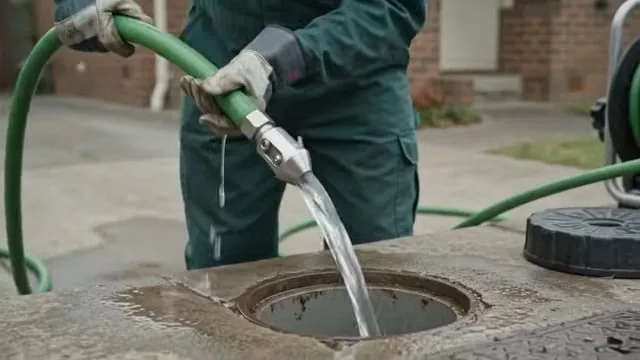
Grease and scale buildup: where jetting earns its place
Kitchen lines are the classic case. Grease cools and hardens along the pipe, collects food scraps and narrows the opening, and the drain slows month by month. A cable opens a channel, and the buildup closes it again.
Scale is the mineral version of the same story, a hard crust that forms on the pipe wall over many years. Camera footage before jetting shows how much material there is and whether the pipe is sound enough to take the pressure. Ordinary clogs should still start with a cable-based drain cleaning visit, and the plumber will say if jetting is the better next step.
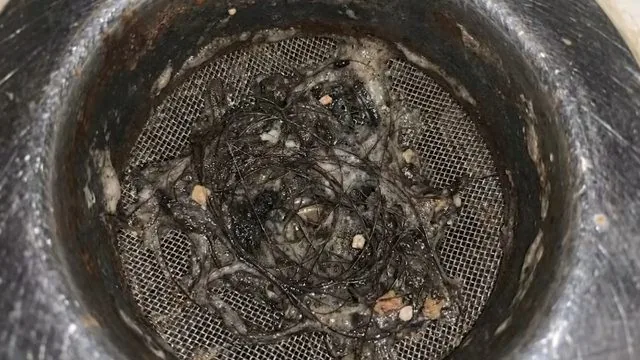
Tree roots in the line: clearing the growth and finding the entry point
Roots enter sewer lines through small cracks and loose joints, drawn by the water inside. Johnson County Wastewater describes roots in the lateral as a recurring problem, and its pages list camera inspection, open-cut repair and trenchless repair as the repair methods. The pipe from your house to the public main is private property, and the county does not repair private lines.
Jetting with a cutting nozzle clears the roots and restores flow, but it does not seal the crack the roots came through. Roots grow back unless the pipe is repaired. The county's own guidance is on its Johnson County Wastewater FAQ, and pipe lining explains the option that seals a lateral without a long trench.
When jetting is the wrong tool: broken, offset or collapsed pipe
High-pressure water belongs in a sound pipe. A pipe that is cracked, offset at a joint or partly collapsed can be damaged further by a jet, and a flushing job on a failed line can wash soil into the pipe. That is why a camera look comes first.
If the footage shows structural damage, the plumber will explain the repair options instead of jetting. Spot repair and replacement are covered in the guide to repairing a damaged sewer line. An honest answer sometimes means not jetting at all.
Drains slowing again after being cleared? Describe how often it has happened and which fixtures are involved. The plumber can tell you whether a camera look and a jetting quote are the next step.
What a jetting visit looks like
- The plumber looks at the line with a camera, if that has not been done recently.
- A cleanout, a removed toilet or a floor drain becomes the access point for the hose.
- The hose is fed in, and the nozzle works its way along the line, with water pushing debris ahead of it.
- The plumber runs the camera again to confirm the pipe wall is clean and to note any defects.
- You get a plain account of what was found and whether anything needs repair.
The work can be noisy and wet at the access point. Water use inside the house is usually paused during the job, so plan for that.
Jetting a line that has not been cleaned in years can bring up a surprising amount of material, and some of it may collect at the access point. Ask the plumber how debris will be caught and removed, and whether a second pass is likely. A job that ends with clean footage is a job you can verify.
Preparing the house: cleanouts, floor drains and water use
Know where your cleanout is. It is usually a capped pipe in the basement, crawl space, garage or yard, and it gives the plumber a direct path to the main line. If you cannot find it, tell the plumber when you call.
Clear the area around the access point, keep pets and children away from the hose and plan to avoid running water until the plumber says otherwise. Tell the plumber about any past repairs, relining or known problem areas. That history helps decide how much pressure is safe.
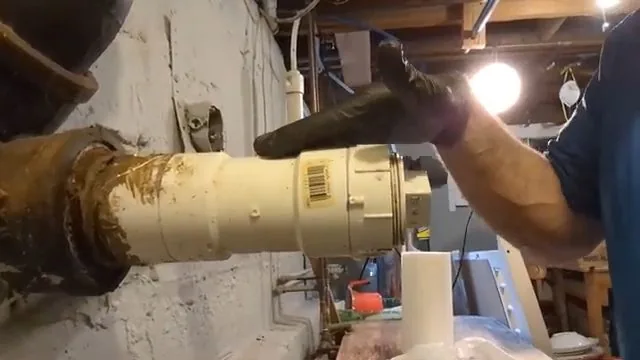
Jetting or ordinary drain cleaning: how to choose
Drain cleaning is the first step for a single clogged fixture or a one-time blockage. Jetting is the step for a repeating problem, for lines coated with grease or scale and for roots that have taken over a section. The camera decides.
Price depends on the line, the access and what the camera finds, so the honest answer before a visit is a wide range. For how ranges work, see what plumbing jobs generally cost. Ask the plumber what the job includes, such as before and after footage.
Hydro jetting questions
What is hydro jetting and when is it used?
Hydro jetting uses high-pressure water from a hose and nozzle to scour grease, scale and roots from the inside of a drain or sewer line. It is used when a pipe is coated or narrowed along its length, when a cable only buys a short time or when roots have grown into a section. It is not used on pipe that is cracked, offset or collapsed, which is why a camera look comes first.
Call Shawnee KS Plumbing Experts about a line that keeps clogging
Tell the plumber how often the drain has slowed and which fixtures are affected. The plumber will recommend a camera look and, if it fits, a jetting visit.