
Trenchless pipe lining & relining Shawnee KS
Trenchless Sewer Repair in Shawnee, KS: Pipe Lining Without Tearing Up the Yard
A failed sewer lateral usually runs under the part of the property you least want dug up: the driveway, a mature tree, a patio. Call Shawnee KS Plumbing Experts and a plumber serving Shawnee will look at the line and say whether a no-dig repair can work. Lining and relining restore a pipe from the inside, and the answer depends on what the camera shows.
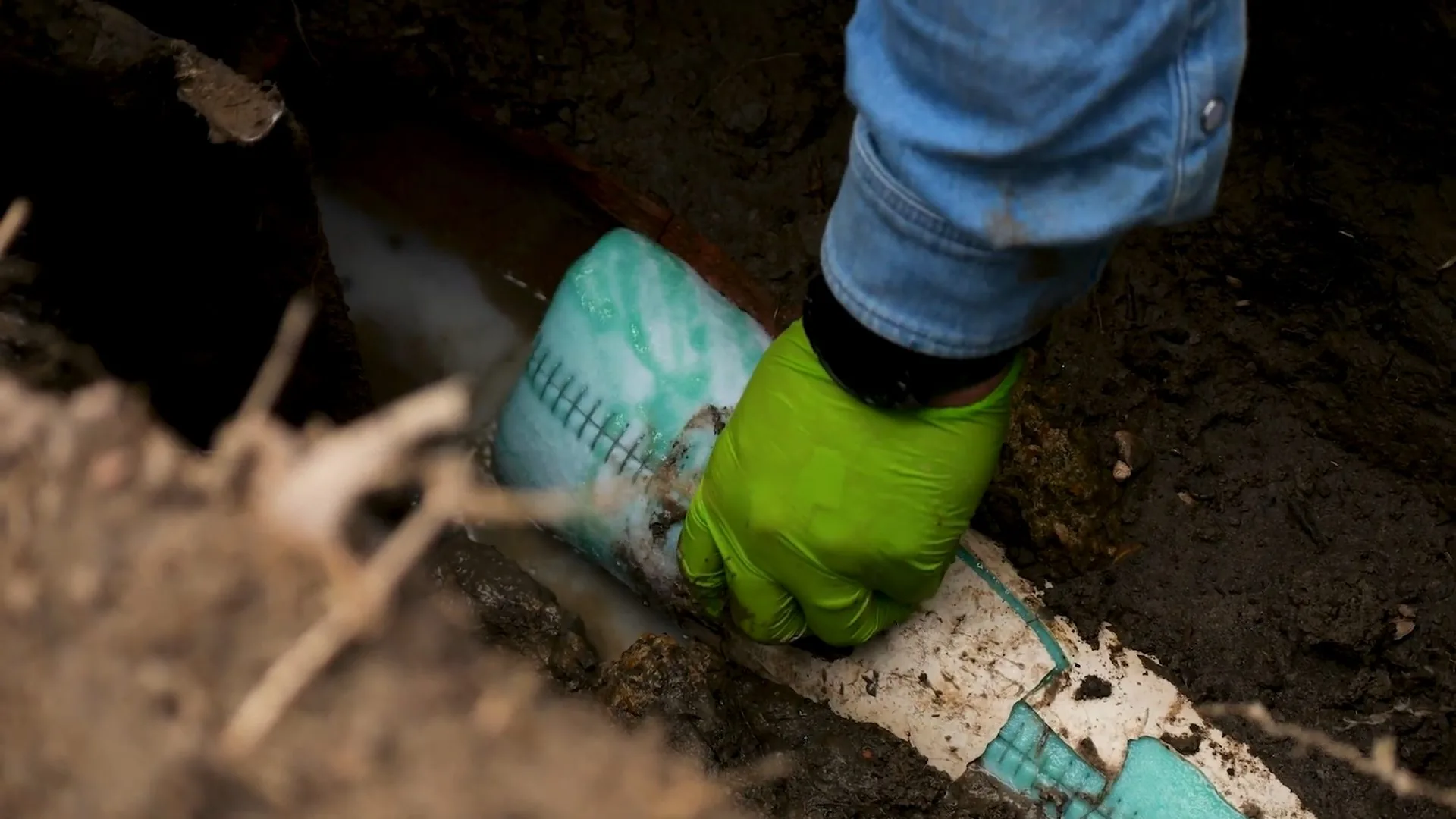
Trenchless or open trench: how to decide
Open trench repair exposes the whole damaged section, which is the most direct way to fix a pipe that has collapsed or shifted. Trenchless repair works from small access points, so the yard, the driveway and the roots of nearby trees are left mostly alone. Neither is better in every case, and the line decides.
- Trenchless suits a pipe that is cracked, root-damaged or leaking at joints but still in line.
- Open trench suits a pipe that has collapsed, sagged badly or separated and lost its path.
- A line under a driveway, deck or large tree tips the balance toward trenchless.
- A short, shallow, easily reached section may be simplest with a small dig.
Ask any contractor to explain why they favor one method for your line, and to show the footage behind the recommendation. The general repair path, including spot repairs and replacement, is covered in the traditional sewer repair guide.
How pipe lining works
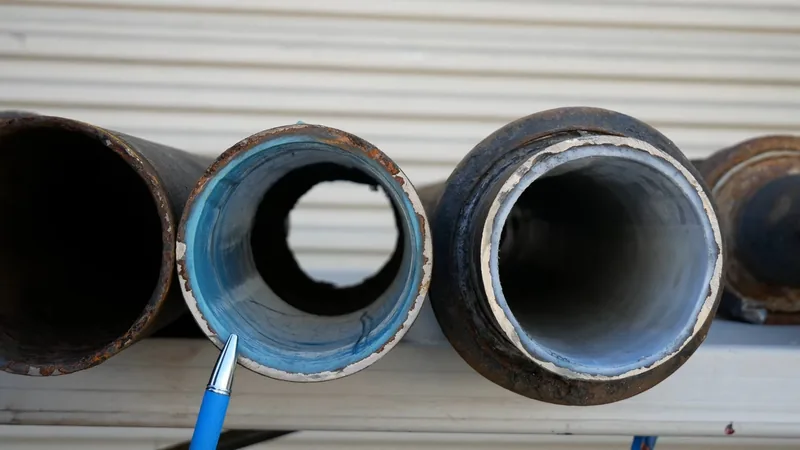
Lining, often called cured-in-place pipe, starts with cleaning the old pipe so the liner can bond. A flexible tube saturated with resin is pulled or inverted into the line through an access point. It is then expanded against the old pipe wall and cured so that it hardens into a new pipe inside the old one.
The result is a continuous lining with no joints that seals cracks and keeps roots out. It slightly reduces the pipe diameter, which matters little in most residential laterals. Branch connections are reopened with a cutting tool after the liner cures.
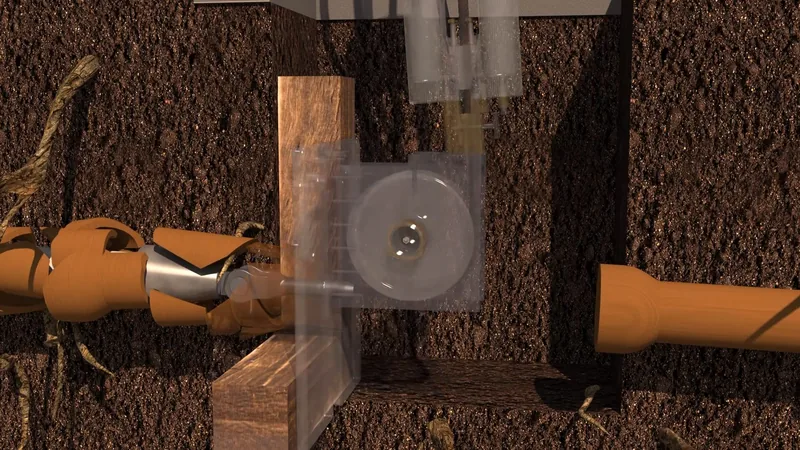
Pipe bursting and other no-dig replacement methods
Lining repairs a pipe that is still in decent shape. Pipe bursting replaces one that is not, by pulling a new pipe through the old path and breaking the old pipe apart as it goes. It needs entry and exit points, and it suits a line that is too damaged to line but still follows a straight path.
Which of these fits depends on the camera and on what the plumber finds when the line is cleaned. A reputable contractor will explain why a method was chosen. If the footage shows a collapse, lining is the wrong answer, and an honest plumber will say so.
What has to be true for lining to work
Lining needs a pipe that is open, continuous and not badly displaced. A line packed with roots must be cleared first, which is often done with high-pressure water cleaning before the liner goes in. Big offsets, collapsed sections and severe bellies where the pipe has dropped usually rule it out.
- A camera inspection that shows the whole run, from cleanout to the main connection.
- A pipe that can be cleaned to bare walls without breaking apart.
- Access points that fit the equipment.
- No collapses or large offsets along the section to be lined.
If any of these fail, ask what the plumber proposes instead. A line that does not qualify is not a failed consultation. It is the reason the camera look comes first.
Roots, cracks and leaking joints: the problems lining solves
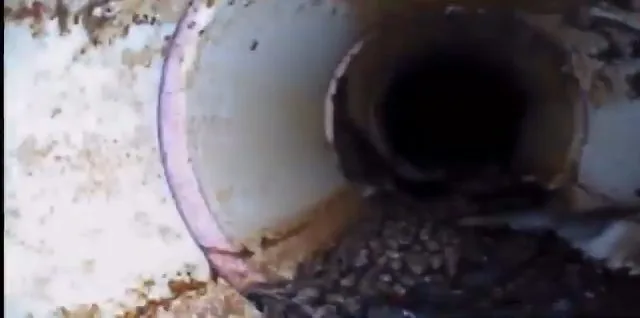
Roots find a way in through small cracks and loose joints, and once inside they grow and snag waste. Johnson County Wastewater lists camera inspection, open-cut repair and trenchless repair as the ways to deal with roots in a lateral. Cutting the roots restores flow temporarily, but they return unless the entry points are sealed.
Lining seals those entry points from the inside. Cracks and open joints close under the new lining, and root intrusion stops at the source. For repeat backups caused by roots, that is often the reason a homeowner moves from cleaning to lining.
The lateral is yours: what that means for the decision
The pipe from your house to the public sewer main is private property, and Johnson County Wastewater says it does not repair or maintain private service lines. That puts the choice of method, and the cost of it, with you. Read the county's guidance on the Johnson County Wastewater FAQ before you compare quotes.
Even a no-dig repair usually needs a small access pit, and any digging starts with a Kansas 811 locate request, made at least two full working days ahead. That lead time applies to planned work, not to an active backup, which should be cleared first. Pair this page with simple clog clearing if the immediate problem is a clog.
Facing a failing lateral and unsure which repair fits? Describe the symptoms and how long they have been going on when you call. The plumber can say whether a camera look should come first.
Trenchless methods for lines under a slab
The same no-dig thinking applies to water and drain lines under a concrete slab, where a break can be rerouted or relined without breaking the floor. This is the one place two pages deliberately overlap, because the search for the repair method and the search for the leak lead to the same job. The leak-finding and slab-specific side lives on the slab leak repair page.
Whether a slab line suits lining or rerouting depends on where the break is and what is above it. A camera or a leak locator decides, as with any other trenchless job.
What to get in writing before a lining job starts
- Did you inspect the whole line with a camera, and can I see the recording?
- Why is lining a better fit than replacement for this pipe?
- How will the old pipe be cleaned before lining?
- How are branch connections reopened, and how do you confirm the result?
- What does the manufacturer cover on the liner, and what does the installer cover on the work?
Lining and replacement are major jobs, so ranges are wide until the line is seen. Typical price ranges for plumbing work are explained in the guide. Ask for the plan in writing, with before and after footage included.
Trenchless repair questions
When is trenchless pipe lining better than digging up a sewer line?
Lining is usually the better choice when the pipe is cracked, root-damaged or leaking at joints but still in line, and especially when the line runs under a driveway, patio or mature tree. Digging is usually the better choice when the pipe has collapsed or shifted badly. A camera inspection of the whole line is what decides it. The pipe from your house to the public main is private property, so the decision and the cost are yours.
Can tree roots get into my sewer line, and how is it fixed?
Yes. Roots enter through small cracks and loose joints and then grow inside the pipe. Johnson County Wastewater lists camera inspection, open-cut repair and trenchless repair as the repair methods for a lateral. Cutting roots only clears them for a while, so sealing or replacing the damaged section is what stops them returning.
Call Shawnee KS Plumbing Experts about a no-dig repair for your sewer line
Describe the backups and how long they have been happening. The plumber will start with a camera look to see if lining or replacement fits.